The RADAAR Project: Leveraging Data and Evidence to Drive Policy Action on AMR
The RADAAR Project: Leveraging Data and Evidence to Drive Policy Action on AMR
What We Do
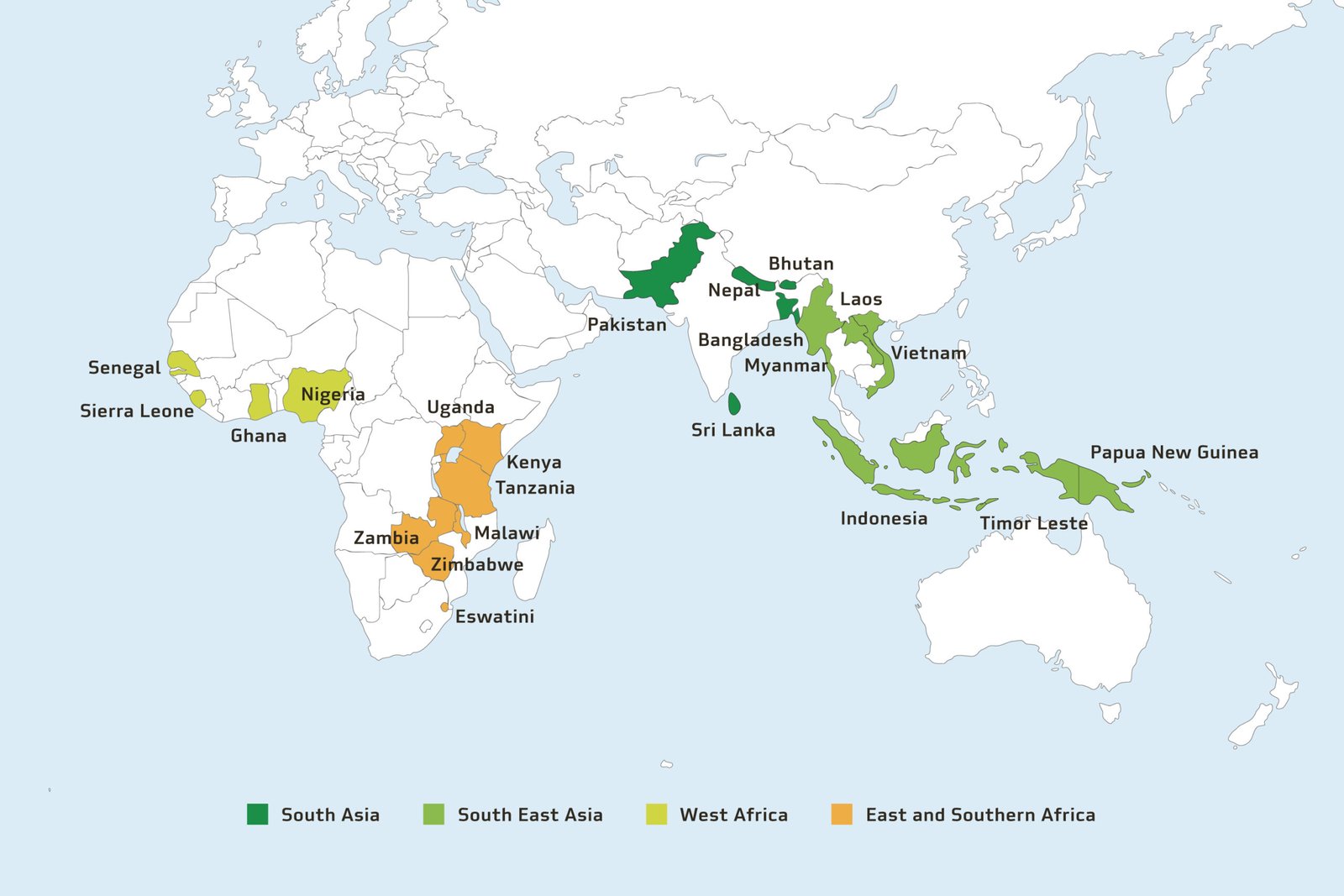
The Regional Antimicrobial Resistance Data Analysis for Advocacy, Response and Policy (RADAAR) project started in March 2020 aiming to improve data-sharing and use for AMR policy, planning and advocacy. It is a regional project in Asia and Africa, focused on One Health: human and animal health, and where possible, environmental health. Policymakers need robust evidence and data to enable effective decisions. Many countries limit data-sharing, so RADAAR will improve data-sharing at the regional level and ensure that policymakers are aware of the evidence and recommendations that exist regarding AMR. RADAAR looks at how AMR data is being used, the barriers and enablers to data-sharing at a regional level by Fleming Fund countries, and how that data can be shared, analyzed, and used to develop and implement policies to fight AMR.
The Department of Policy & Economic Research at IVI, based Seoul, Republic of Korea, is the Lead Grantee for the RADAAR Project. With a primary focus on vaccine research and development, IVI is a non-profit intergovernmental organization which was established in 1997 at the initiative of UNDP. 26 countries and the World Health Organization (WHO) are Parties to the IVI Establishment Agreement, including the Republic of Korea, Sweden, India, Finland, Austria, and Thailand as state funders.
Geographical Scope of Our Work
Antimicrobial resistance (AMR) is caused by the overuse of medicines. Antimicrobials—such as antibiotics, antivirals, antifungals—are medicines that are used to prevent and treat infections in humans, animals and plants. The pathogens—bacteria, viruses, parasites—that cause infections can change over time and become resistant to medicines. These resistant pathogens spread from the individual to other members of the community. Consequently, infections and illnesses can become untreatable, disease risk increases, and medical procedures such as surgery can become too risky. AMR is also referred to as “drug-resistant infection.” The microorganisms that develop AMR are often called “superbugs.” AMR is happening now and is becoming increasingly severe—infections cause over 700,000 deaths per year and rising. There are also serious economic costs. However, AMR is solvable with immediate action.
Antimicrobial resistance (AMR) is one of the world’s greatest threats. It’s caused by the overuse of medicines, such as antibiotics. But it is not just a health issue…